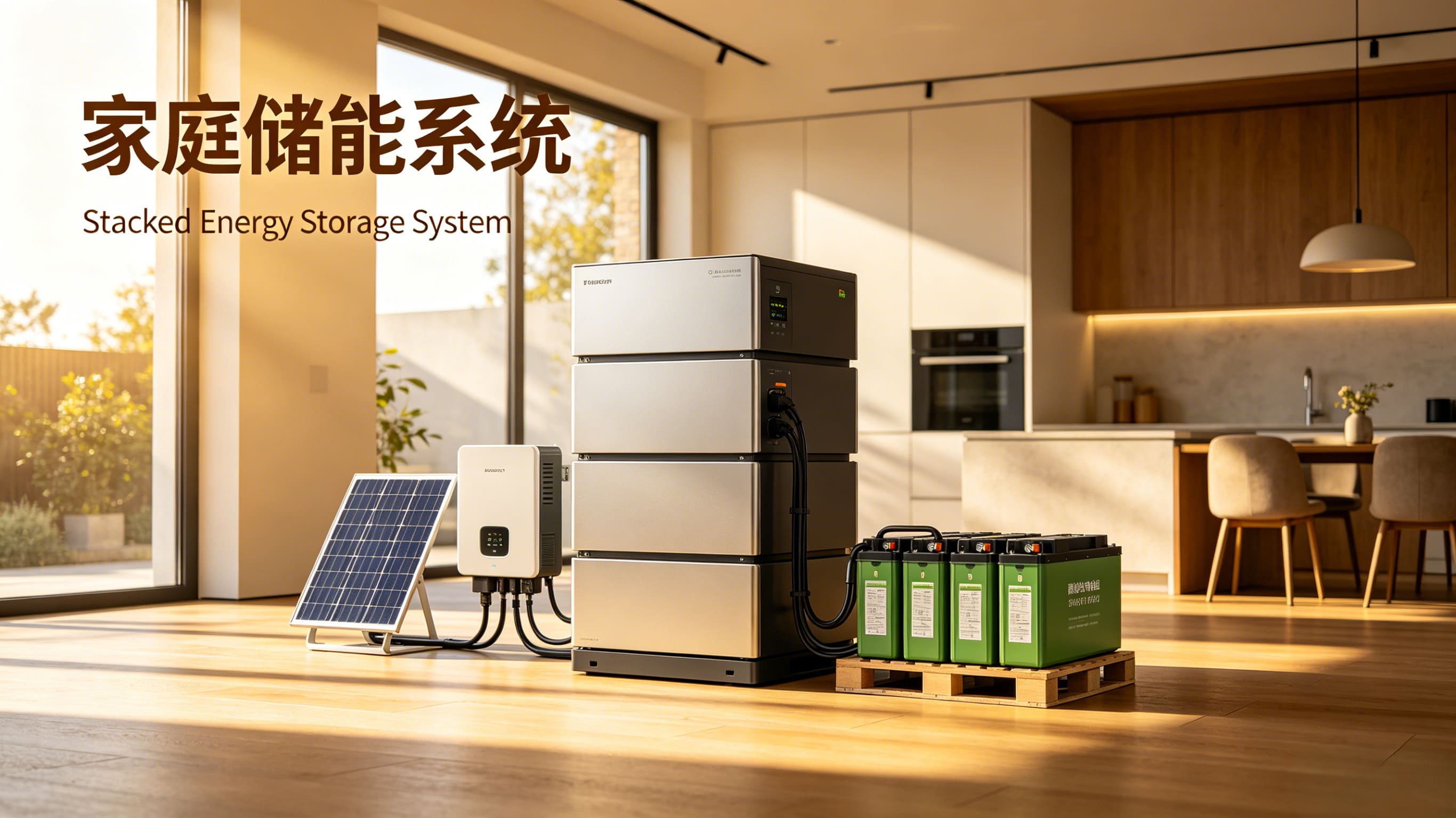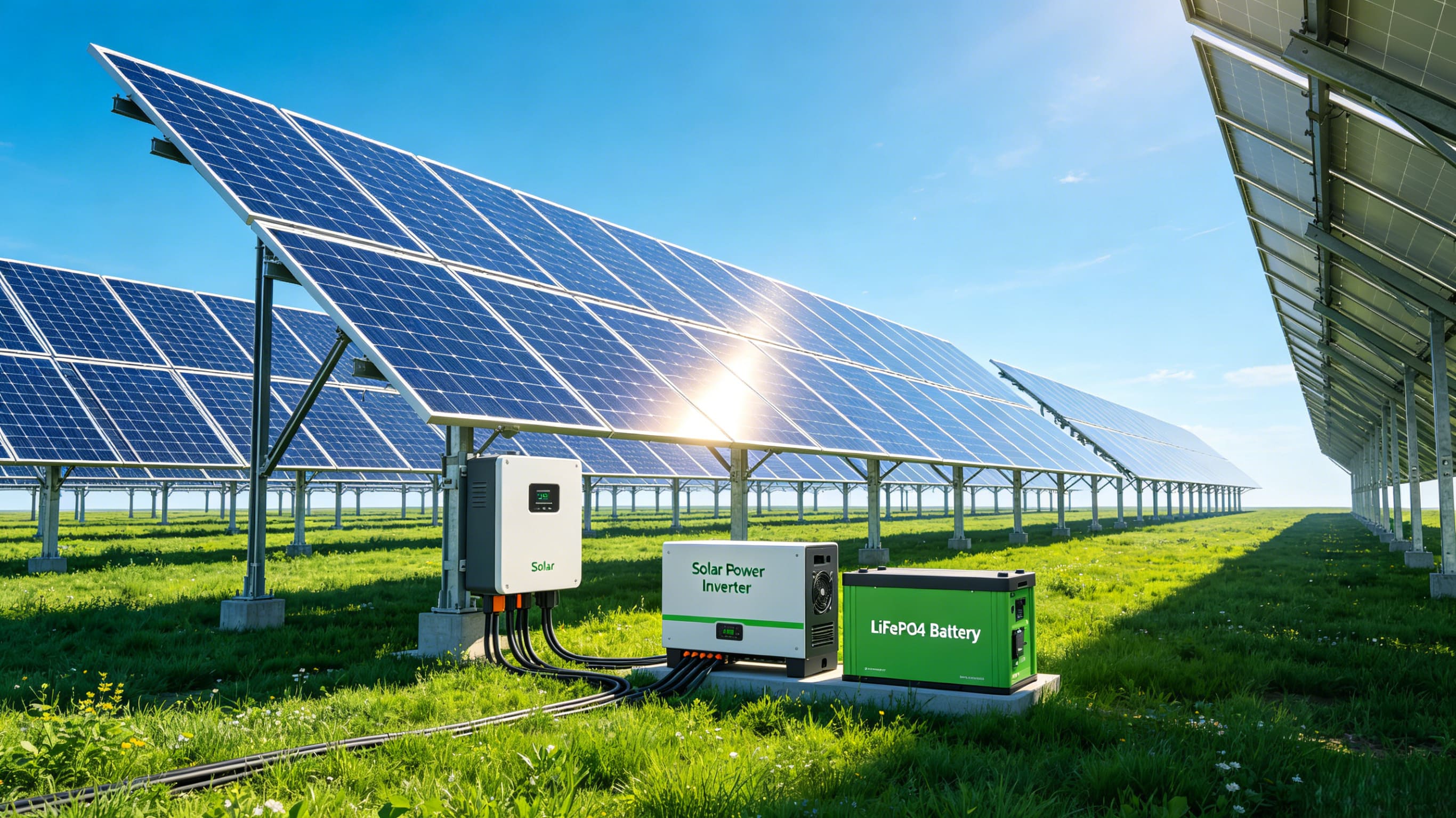
The global transition to sustainable energy is accelerating at an unprecedented pace, and with it, the demand for highly efficient and intelligent energy storage solutions has become paramount. As industrial facilities, data centers, and grids strive for net-zero carbon footprints, AoKu Energy is spearheading the development of the next-generation battery architectures that will define the upcoming decade.
1. The Rise of Solid-State and Advanced Lithium Chemistries
While standard lithium-ion chemistries have served the market well, the future of heavy industrial and utility-scale storage lies in advanced Lithium Iron Phosphate (LiFePO4) and emerging solid-state designs. Our 2024 R&D pipeline focuses on maximizing energy density while ensuring absolute thermal stability. By optimizing electrode microstructures, we have succeeded in increasing cell lifetime by up to 30% under rigorous fast-charging cycles.
"Sustainable power is no longer just about harvesting energy; it's about preserving every watt with absolute reliability and zero environmental compromise."— Sarah Jenkins, Lead Material Scientist
2. AI-Driven Smart Management Systems (BMS)
Modern battery packs are only as good as the software that governs them. AoKu's upcoming energy storage architectures feature integrated edge-computing units that run real-time predictive degradation models. By continuously analyzing voltage fluctuations, temperature profiles, and state-of-charge patterns, our smart BMS can proactively balance cells and predict potential failures up to 72 hours before they occur.
Key Highlights of the 2024 Roadmap:
- Ultra-High Thermal Tolerance: Next-gen cells capable of operating efficiently from -20°C to 60°C without requiring active external air conditioning.
- Seamless Smart Grid Integration: Direct compatibility with standard utility protocols, facilitating instant peak-shaving and load-leveling capabilities.
- Modular Architecture: Scalable rack-mount configurations that allow businesses to easily expand storage capacity from 50kWh to several Megawatt-hours.
3. Bridging the Gap for Smart Factories
For high-precision automated manufacturing lines, even a microsecond voltage sag can result in millions of dollars in lost production. By pairing our hybrid solar inverters with ultra-fast solid-state energy storage, factories can now isolate themselves from grid instability. This roadmap lays out the technical framework to deliver seamless transition times of under 2 milliseconds, maintaining steady state for automated robotic arms and sensitive cleanroom systems alike.